Central zone
Use this as the main anchor and let the surrounding area build naturally around it.

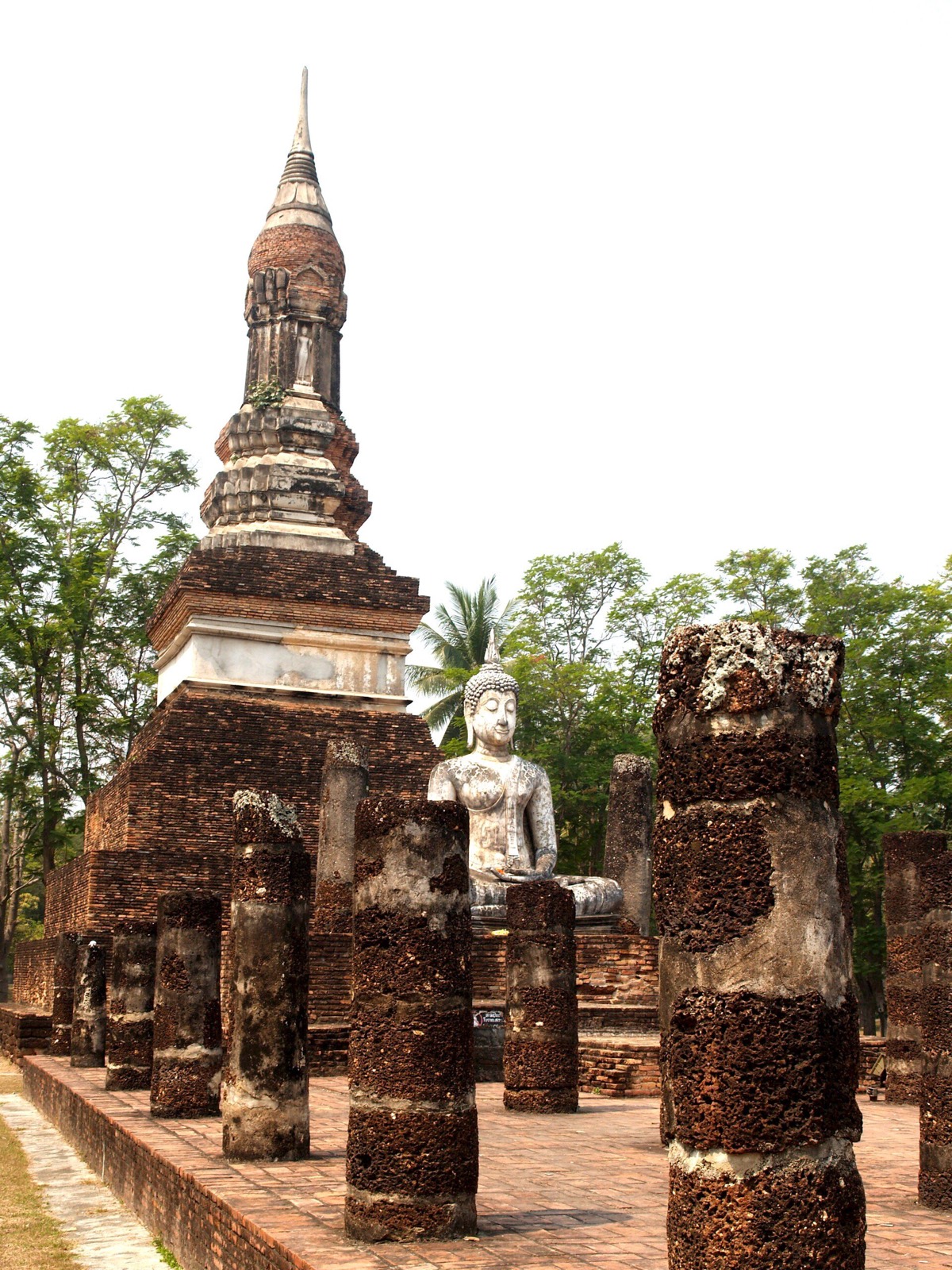 Sukhothai · Thailand · Photo: Icon0.com · CC BY-SA 4.0
EXPERIENCE NOTE 065
A spacious World Heritage landscape ideally explored by bicycle in softer light.
A memorable experience depends on timing, context and operator quality as much as the headline attraction.
A spacious World Heritage landscape ideally explored by bicycle in softer light. A famous place is not automatically the right place, and a quieter alternative is not automatically better. Judge it against your pace, your travelling companions and the time you genuinely have.
Start from your chosen base and work backwards from the opening or meeting time for Sukhothai Historical Park. Confirm the exact gate, pier or pickup point with the responsible organisation. Where a guide or boat is involved, ask whether transfer time is included; where the site is independent, save the return route before leaving.
The visit itself may be walkable, but the return leg often causes the friction. Save the pickup point, last practical transport and a weather alternative. At sacred or protected places, local rules take priority over what another visitor was allowed to do previously.
How much time? Protect at least half a day including the return journey. National parks, islands and multi-stop historical landscapes usually deserve a full day.
Use this as the main anchor and let the surrounding area build naturally around it.
Best when it fits the same part of the day rather than requiring a separate cross-town journey.
Check the practical journey before committing it to the Diary.
Leave this flexible until the weather and your energy are clearer.
Save these as real travel ideas. They will wait until you are ready to place them into a day.
Begin with Central zone. It gives the clearest introduction without forcing the whole guide into one day. Continue with wat mahathat only if energy, heat and journey time still feel comfortable.
A flexible idea drawn directly from this field note.
A flexible idea drawn directly from this field note.
A flexible idea drawn directly from this field note.
November to February is often the easiest broad window, but regional conditions matter more than a national season label. Hot-season afternoons demand a slower pace; wet-season travel rewards flexibility and produces greener scenery. Check local forecasts and transport conditions close to the day.
Peak season usually improves transport choice and weather confidence, but increases demand. Shoulder and green-season travel can feel more spacious and vivid. Treat this as route guidance, then check live conditions shortly before travelling.
Confirm access, physical effort, clothing, transport home and whether an independent or guided visit suits you.
Begin with Central zone. It gives the clearest introduction without forcing the whole guide into one day. Continue with wat mahathat only if energy, heat and journey time still feel comfortable.
Use the next good-weather window for wat si chum. Keep outer temple zones as the flexible piece: it is easier to move, shorten or replace if conditions change.
I would not try to “complete” Sukhothai Historical Park. I would choose one early anchor, one neighbourhood or landscape to understand slowly, and one evening with nothing booked. Allow more than one hour and check zone arrangements. That is the constraint I would design around, not discover after paying.
Make room for it when central zone is a real priority rather than something you feel obliged to tick off.
Reconsider or shorten it if the journey, crowd level or seasonal uncertainty conflicts with the pace you want. Allow more than one hour and check zone arrangements.
The thing to watch: Allow more than one hour and check zone arrangements.
Thailand Diary synthesises these sources into practical judgement. We do not reproduce unverified prices, availability or fixed schedules.