
OUR GUIDE
Koh Tao for the first time
How to choose a diving or beach base, compare training responsibly and protect the ferry connections that make a small island a substantial journey.
Koh Tao is known for diving, yet it also works for snorkelling, viewpoints and beach days. Its small size is deceptive: steep roads and separated bays mean that the wrong accommodation can produce more transport than expected.
Allow four nights for a first visit and more for a dive course. Ferries take a real part of the arrival and departure days, while diving schedules can remove the flexibility people imagine an island holiday will have.
Where to stay
Sairee The social centre for dive schools, sunset, restaurants and nightlife. Choose the exact position carefully if early sleep matters.
Mae Haad The practical pier base for short stays and easy arrivals. It has services and dive operators but less of the classic beach-holiday feel.
Chalok Baan Kao A calmer southern base with its own restaurants and access to nearby bays. It suits travellers who do not need Sairee every evening.
Eastern and private bays Best when the bay and resort are the destination. Steep access and limited evening movement need to be accepted in advance.
A sensible first day: arrive, orient and stay out of the water schedule
Ferry arrival can be tiring. Check into the chosen bay, confirm the dive or snorkelling briefing and keep the first day free from anything that depends on an exact sea condition.
If diving, complete medical information honestly and discuss recent flights, medication and health concerns with the operator. Do not allow a sales timetable to override safety guidance.
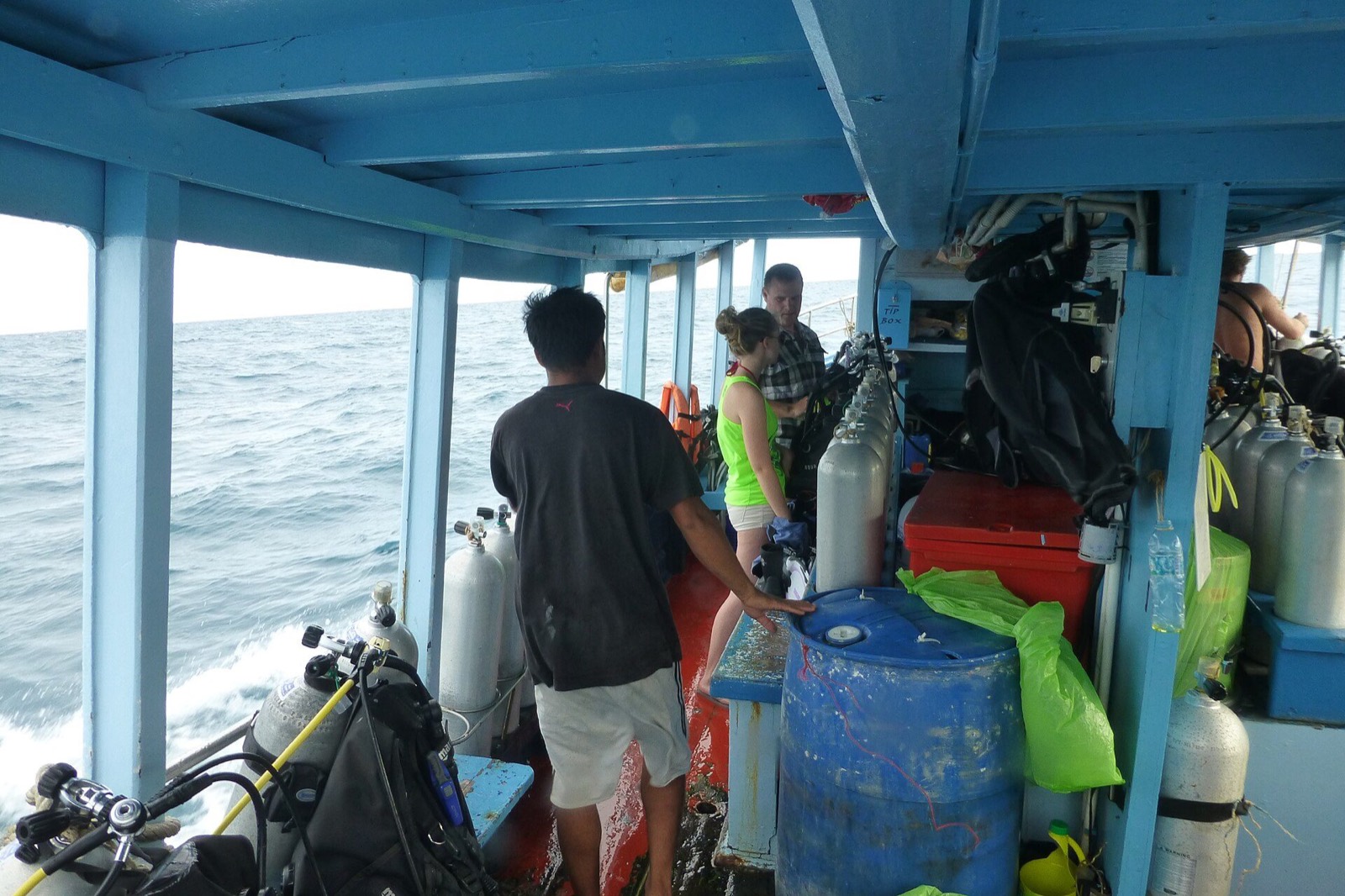
Choose a dive school by safety culture
Compare instructor ratios, language, equipment condition, boat practice, insurance and how the school responds to uncertainty. The course schedule should leave enough time to learn rather than simply reach certification quickly.
Certification standards set a baseline, not the whole experience. Speak to the actual school and understand who teaches, where training begins and what is included.
Snorkelling still needs judgement
A non-diving trip can combine one boat route with independent bay time, but access and sea entry vary. Use flotation when appropriate and follow local advice on current and boat traffic.
Koh Nang Yuan and popular bays become busy. Timing and a respectful operator matter more than squeezing every named stop into one circuit.
Roads and viewpoints demand honesty
Some viewpoints involve steep climbs and heat; some beaches involve steep roads. Read the access description as carefully as the scenery description.
Taxis or accommodation transfers may be preferable to scooter rental. Licence, insurance, helmet and riding experience remain real requirements on a holiday island.
Protect ferry and flying intervals
Koh Tao is reached by sea. Weather and operational changes can alter the journey, so record both piers and avoid a tight separate connection after arrival on the mainland or Samui.
Scuba divers must also follow appropriate guidance about the interval between diving and flying. Build this into the Diary before purchasing the departure flight.
What catches first-time visitors out
- Choosing a dive course on price alone.Instructor attention, equipment and safety culture determine the real value.
- Assuming every bay is easy to reach.Steep roads and paths make the exact accommodation important.
- Scheduling a flight too soon after diving.Follow recognised medical and training guidance for the required interval.
- Building a tight ferry connection.Sea and road disruption need a practical buffer.
- Treating scooter rental as compulsory.Use another transport option when experience or cover is inadequate.
USE YOUR DIARY
Keep Koh Tao in one place
Save Koh Tao as an idea, or let the Smart Diary review how it fits your existing route before you approve a change.Check before you go
Weather, access, transport and local operating details change. Use current information from the responsible organisations before fixing an important journey.