
OUR GUIDE
Isaan for the first time
How to choose one Isaan sub-region for food, Khmer heritage or Mekong life without turning Thailand's largest region into an impossible checklist.Check the linked sources for current details. Editorial information, not live availability.
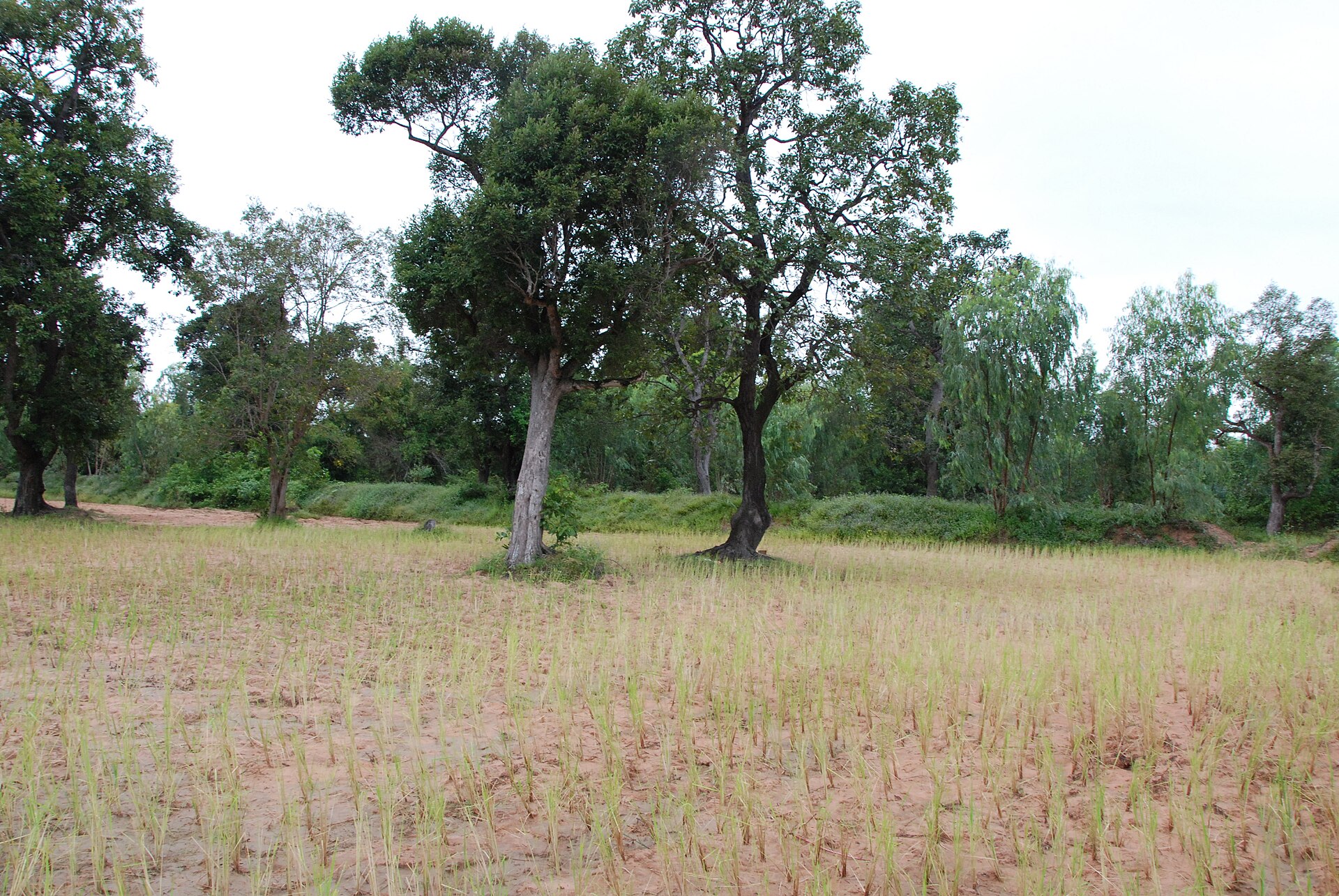
Isaan covers a vast part of Thailand. A useful first chapter begins with one geographic story: Khorat and Khmer sites, Khon Kaen and central Isaan, or the upper Mekong around Udon Thani and Nong Khai.
A five-night first Isaan chapter focused on one connected corridor, with local food, cultural context and explicit regional transport.
Where to stay
Nakhon Ratchasima A southern gateway for city food, Khao Yai connections and routes towards major Khmer heritage sites.
Khon Kaen A confident regional city with transport, lakes, food and access to central Isaan.
Udon Thani A practical upper-northeast base for Ban Chiang, seasonal wetlands and onward travel to Nong Khai.
Mekong corridor Nong Khai and other river towns offer a slower border landscape, but distances between them remain substantial.
Your first day: choose one gateway, not the whole northeast
Start in the city that fits the route: Khon Kaen for a city-and-regional-culture chapter, Udon Thani for northern Isaan outings, or Nong Khai for the Mekong. These are distinct places, not nearby hotel districts. Check into one base and use the first evening for local food before deciding how far to travel the next day.
If Khmer heritage is the main interest, investigate the Phimai or Phanom Rung area instead of assuming those sites fit a quick detour from Udon. The useful first decision is which part of Isaan to visit. You can return for another part without treating this trip as incomplete.
Choose one sub-region
Food, archaeology, festivals and Mekong landscapes sit hundreds of kilometres apart. Start with the experience that matters and build nearby.
A week can introduce one corridor well; it cannot meaningfully cover the whole northeast.
Let food lead responsibly
Isaan food is regional and varied rather than a single spicy menu. Markets and local restaurants reward curiosity and clear allergy communication.
Ask about ingredients and heat without expecting recipes or shared cooking surfaces to be standardised.
Give heritage a proper route
Phimai, Phanom Rung and Ban Chiang belong to different histories and provinces. Choose one route and add museum or guide context.
Temple and archaeological sites deserve respectful dress and behaviour even when they sit outside the main international circuit.
Make transport visible
Rail, domestic flights and long-distance buses reach major cities, while rural sites often need a driver or carefully timed local connection.
Do not assume a short map distance equals a quick road journey; build each transfer into the Diary.
Three coherent ways to build an Isaan trip
For a northern introduction, pair Udon Thani with Nong Khai and keep one out-of-town heritage day. For a Khon Kaen chapter, combine city time with one chosen craft, temple or dinosaur-interest outing. For Khmer architecture, base the trip around the relevant historical-park region instead of linking it to the Mekong simply because both are in Isaan.
Phimai and Phanom Rung are separate historical parks with separate travel requirements. Choose the one that fits the route, or add time for both. An ambitious map connecting every northeast highlight can leave most of the holiday on roads rather than in the places you came to understand.
Food is part of the reason to come
Make room for local meals rather than treating food as a gap between attractions. Ask the host or cook about dishes and ingredients instead of assuming every version of a familiar Thai dish is the same. Communicate dietary needs clearly; a mild-looking plate does not tell you its seasoning or stock.
For groups, share a selection only after checking everyone’s preferences and agree whether the meal is a shared expense. A traveller choosing a simpler dinner should not automatically inherit a split of an expensive group order. Keep the social part easy by making those decisions before the bill arrives.
Where a low-cost region can become an expensive route
Room and meal costs are only part of the calculation. A series of remote sights may require private transport and several nights in different bases. Choose a compact city day and one paid regional outing before adding another province. Fewer transfers can improve both the budget and the depth of the visit.
Keep the exact station, bus terminal and final hotel journey visible. Research the next leg before leaving a well-connected city for a smaller place. This guide is a starting route choice, not a claim that every community has frequent public transport or an English-language tour ready to book.
What catches first-time visitors out
- Treating Isaan as one destination.The region needs a specific sub-region and route.
- Collecting distant highlights.Long road journeys quickly overwhelm a short chapter.
- Reducing the region to food.Contemporary cities, heritage and Mekong life add essential context.
- Assuming English visitor infrastructure everywhere.Prepare addresses and transport details clearly.
- Building around an unverified festival date.Confirm current dates and local arrangements first.
YOUR TRIP
Keep Isaan in one place
Save this guide to your saved ideas and come back to the places that interest you.Check before you go
Weather, access, transport and local operating details change. Use current information from the responsible organisations before fixing an important journey.