
OUR GUIDE
Chiang Mai for the first time
Where to stay, how to balance the Old City with the mountains and why Chiang Mai is better when every day is not turned into an excursion.Check the linked sources for current details. Editorial information, not live availability.
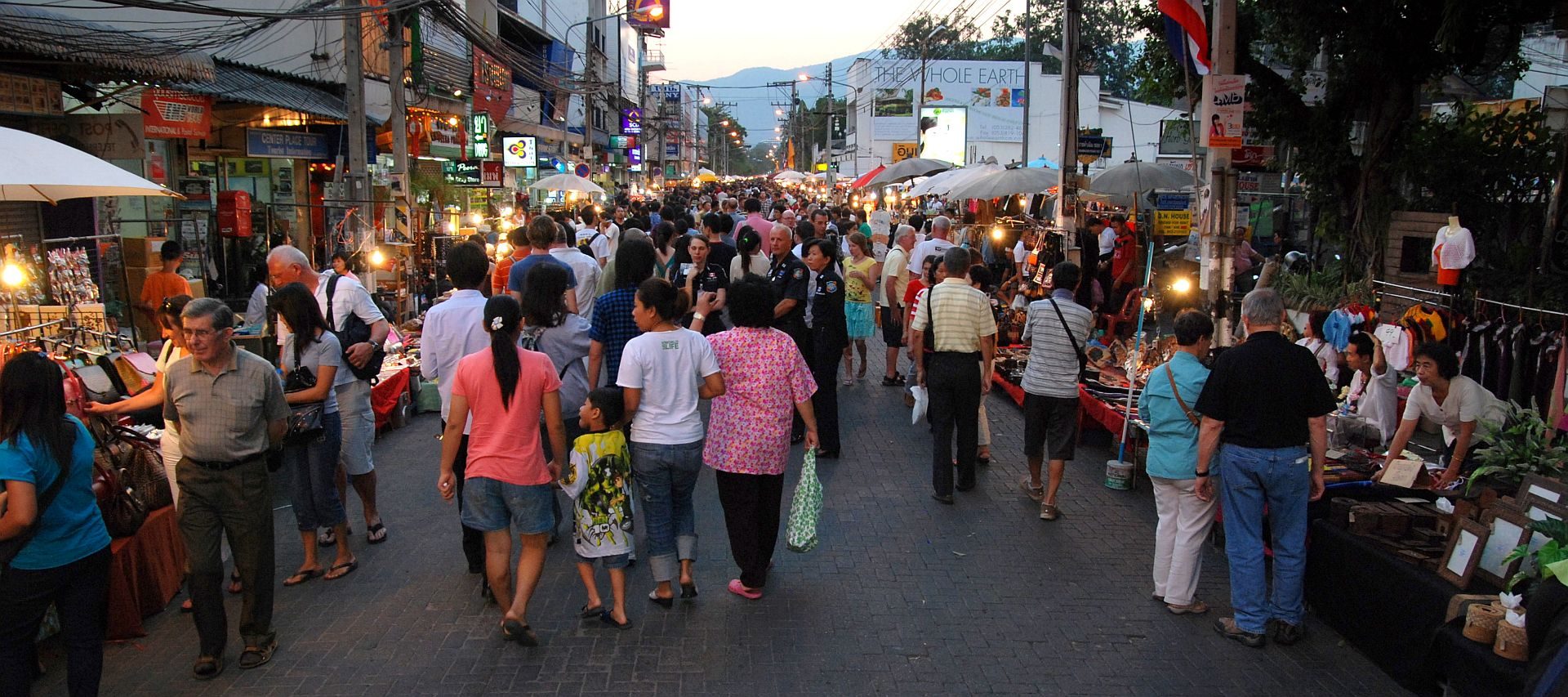
Chiang Mai is often described as a gentler counterpoint to Bangkok, but that can make first-time plans strangely busy. Travellers arrive with a list of temples, markets, cooking classes, mountain roads and countryside trips, then discover that the pleasure of the city is the space between them.
Allow four nights for a first visit. That gives you an Old City day, time for food and a neighbourhood beyond the walls, and one mountain or countryside day. Arrival day should stay light, especially after the overnight train or a flight connection.
Where to stay
Old City The easiest first-time base for temples, gates and a walkable introduction. The square is larger than it looks, so check which side of the moat your hotel sits near.
Nimman A contemporary base for cafés, restaurants and evenings around Nimmanhaemin Road. It suits travellers who value modern Chiang Mai more than walking to the historic core.
Night Bazaar and riverside Useful for evening markets, larger hotels and access to the Ping River. It is practical rather than intimate and works well when road pickups matter.
Santitham A more residential choice between the Old City and Nimman, with strong local food and fewer resort-style hotels. Choose the exact street rather than the neighbourhood name alone.
A sensible first day: Old City without temple fatigue
Begin early with one or two temples rather than attempting every famous name inside the moat. Wat Chedi Luang and Wat Phra Singh make a coherent historic introduction, with ordinary lanes, lunch and a shaded pause between them. Dress for active religious sites and follow local signs.
If your dates align with a walking street, treat it as the evening plan rather than an extra item after a full excursion. Saturday and Sunday markets use different streets and can become extremely busy, so confirm the current operating day and keep a clear meeting point.
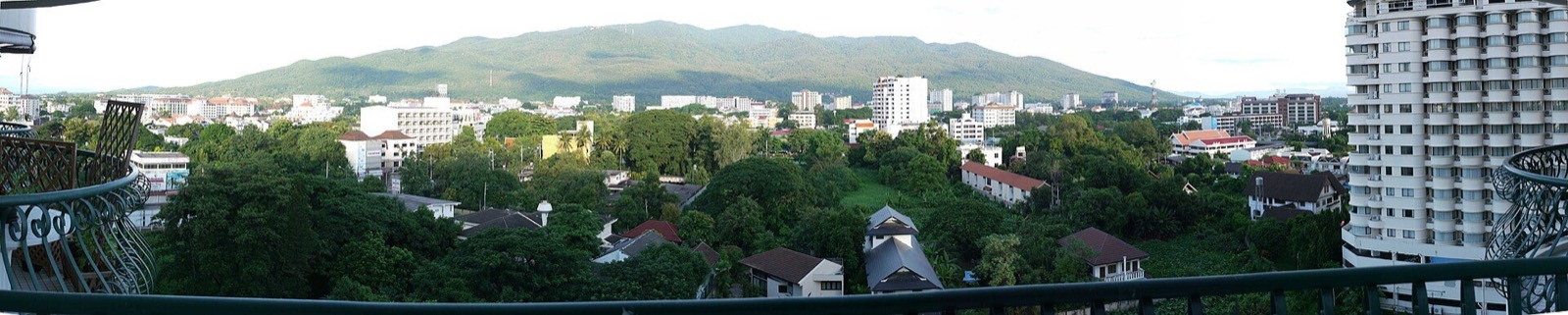
Use the second day for the Chiang Mai you actually enjoy
Choose one modern or local neighbourhood and let it breathe. Nimman works for design, galleries and cafés; Santitham is better for ordinary food streets; the Ping River and Wat Ket offer a slower contrast east of the centre.
A cooking class can anchor this day if food is a real interest. Check the class size, market component, transport and dietary support rather than choosing only by the number of dishes pictured.
Give the mountain one proper day
Doi Suthep is close enough for a half-day, while Doi Inthanon, Mae Kampong and longer countryside routes require a genuine day. Pick one landscape and understand the road time before adding another stop.
Mountain weather changes quickly and viewpoints are never guaranteed. A good guide or driver should explain the route, physical effort and alternatives rather than promising a perfect photograph.
Arriving and getting around
Chiang Mai International Airport sits close to the city, while the railway station is east of the Ping River and Arcade Bus Terminal is farther northeast. Save the exact accommodation address because similarly named guesthouses and lanes are common.
Inside the centre, walking, songthaews, local taxis and reputable ride-hailing cover most journeys. For mountain days, compare a driver, small-group tour and rental vehicle honestly; never treat a motorbike as the automatic option if your licence, experience or road conditions do not support it.
When the north needs extra caution
Cooler months normally make city walking and mountain days more comfortable, but demand rises around holidays and festivals. In the hotter months, outdoor plans need earlier starts.
Regional smoke and poor air quality can materially affect Chiang Mai during the burning season. Check current official air-quality information close to travel and be prepared to change the route rather than relying on a historical date range.
A walk with a purpose: temples, then the market
For an Old City morning, choose Wat Phra Singh and Wat Chedi Luang rather than trying to enter every temple on the map. If you want the context behind the architecture, investigate the Chiang Mai City Arts & Cultural Centre near the Three Kings Monument. Check its opening day before making an indoor visit the centre of the route.
Keep a second outing for Chang Moi and Warorot Market, also called Kad Luang. It offers a different view of Chiang Mai from Nimman: working shops, food and everyday purchases. Do not bolt it onto a mountain excursion as another compulsory stop. A shared group can agree lunch here while leaving the earlier morning open to different interests.
Eating and spending: choose the experience, not the package count
Khao soi is a useful first northern meal; a cooking class is a different commitment, often taking a substantial part of the day. Decide whether you want to eat well or learn to cook before buying both a food tour and a class. Ask about vegetarian substitutions and allergies directly: a vegetarian-looking dish can still have fish sauce or stock.
For a modest budget, make the Old City and a market outing the foundation, then spend on one well-chosen guided or countryside day. A cheaper room beyond the walkable area can lose its advantage in transfers. For a group driver, compare the total vehicle cost and waiting time, then divide it by the people actually joining—not everyone on the trip.
A useful three-night shape
Arrive and settle in; use the first full day for the Old City; choose either Doi Suthep or a longer countryside outing for the second. Doi Inthanon and Mae Kampong are alternatives to that longer day, not additions to it. Keep a final meal or café visit flexible around departure. This leaves enough structure to be useful without turning Chiang Mai into a temple endurance test.
If smoke, heat or rain makes the outdoor day unattractive, switch the idea to a confirmed indoor cultural visit or cooking session. Check the replacement before travelling across town. An air-quality problem affects the whole destination, so an indoor plan is not a promise that conditions will suit every traveller.
What catches first-time visitors out
- Booking a full-day excursion every day.Chiang Mai’s neighbourhoods, food and slower rhythm are part of the destination.
- Choosing an ethical animal experience from a label alone.Research welfare practice, contact rules, group size and independent evidence carefully.
- Assuming every market runs every night.Confirm the day and location before shaping the evening around it.
- Ignoring air quality.Mountain views and strenuous outdoor plans may need to move when conditions are poor.
- Underestimating mountain roads.A short distance on the map can still mean a long, winding day.
YOUR TRIP
Keep Chiang Mai in one place
Save this guide to your saved ideas and come back to the places that interest you.Check before you go
Weather, access, transport and local operating details change. Use current information from the responsible organisations before fixing an important journey.