
Check the linked sources for current details. Editorial information, not live availability.
OUR GUIDE
Bangkok for the first time
Where to stay, what belongs together and how to spend three days in the city without losing half the trip to traffic.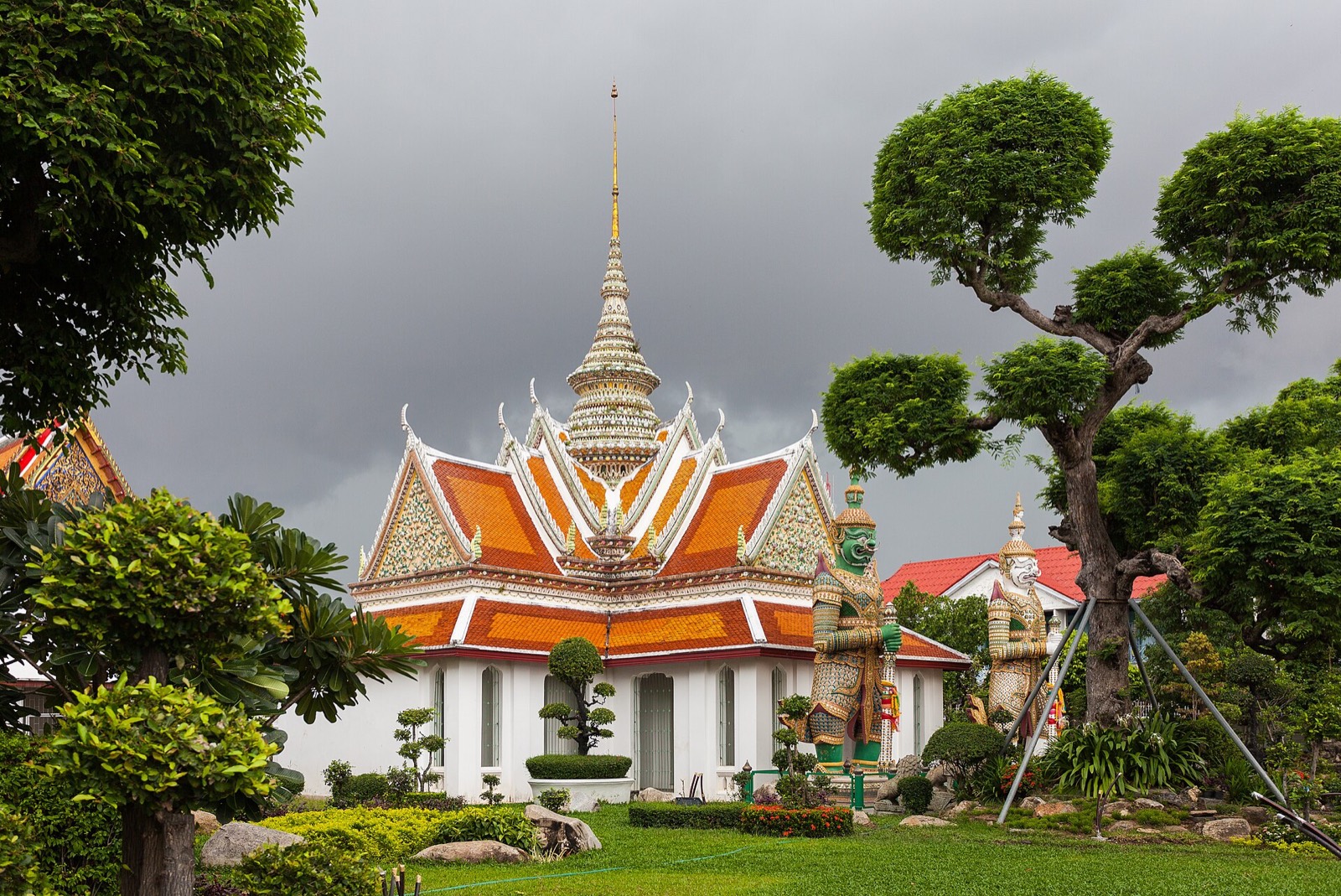
The first mistake many visitors make in Bangkok is booking a hotel before understanding the map. The city is enormous, the famous sights are spread between old and modern districts, and an address described as “central” may still be a long journey from the places you want to see.
For a first visit, allow at least three nights and preferably four. That gives you one day around the old royal city and the Chao Phraya River, one day in modern Bangkok and a third day for food, markets, museums or whichever part of the city interests you most. Arrival day should stay deliberately light, particularly after a long flight.
Where to stay
Old Town, around Rattanakosin, puts the Grand Palace, Wat Pho and several historic streets close by. It is the atmospheric choice, but not the easiest for the BTS Skytrain. Sanam Chai MRT has improved access to the southern side of the old city, yet you will still use boats, taxis or walk for some journeys.
Riverside is good for views, quieter evenings and easy access to river boats. Saphan Taksin is the useful transport reference: it connects the Silom BTS line with Sathorn Pier. Do not assume every riverside hotel is near it; check the exact location and whether the hotel has a shuttle boat.
Sukhumvit works well when restaurants, nightlife and rail connections matter. The area stretches for miles. Around Asok, the BTS meets the MRT at Sukhumvit station, making it one of the most convenient bases for moving around. Thong Lo and Ekkamai have more neighbourhood character but sit farther east from the historic sights.
Siam, Silom and Sathorn are the other sensible first-time choices. Siam is ideal for shopping and BTS connections. Silom places you near food, nightlife and Lumphini Park, with both BTS and MRT access around Sala Daeng and Si Lom. Sathorn is calmer and more businesslike; stay near a station if you do not want every outing to begin in a taxi.
A sensible first day: the old city and river
Start early at the Grand Palace and Wat Phra Kaew, then walk to Wat Pho. These are active religious and ceremonial sites, not themed attractions, so cover shoulders and knees and follow the instructions at the entrance. Check current opening information on the official site before travelling; occasional ceremonies can affect access.
After Wat Pho, cross the river to Wat Arun or continue by boat rather than adding a distant shopping district. Pak Khlong Talat flower market, Museum Siam and the lanes around the old city are all reasonable additions depending on the heat and your interests. You do not need five major temples in the same day.
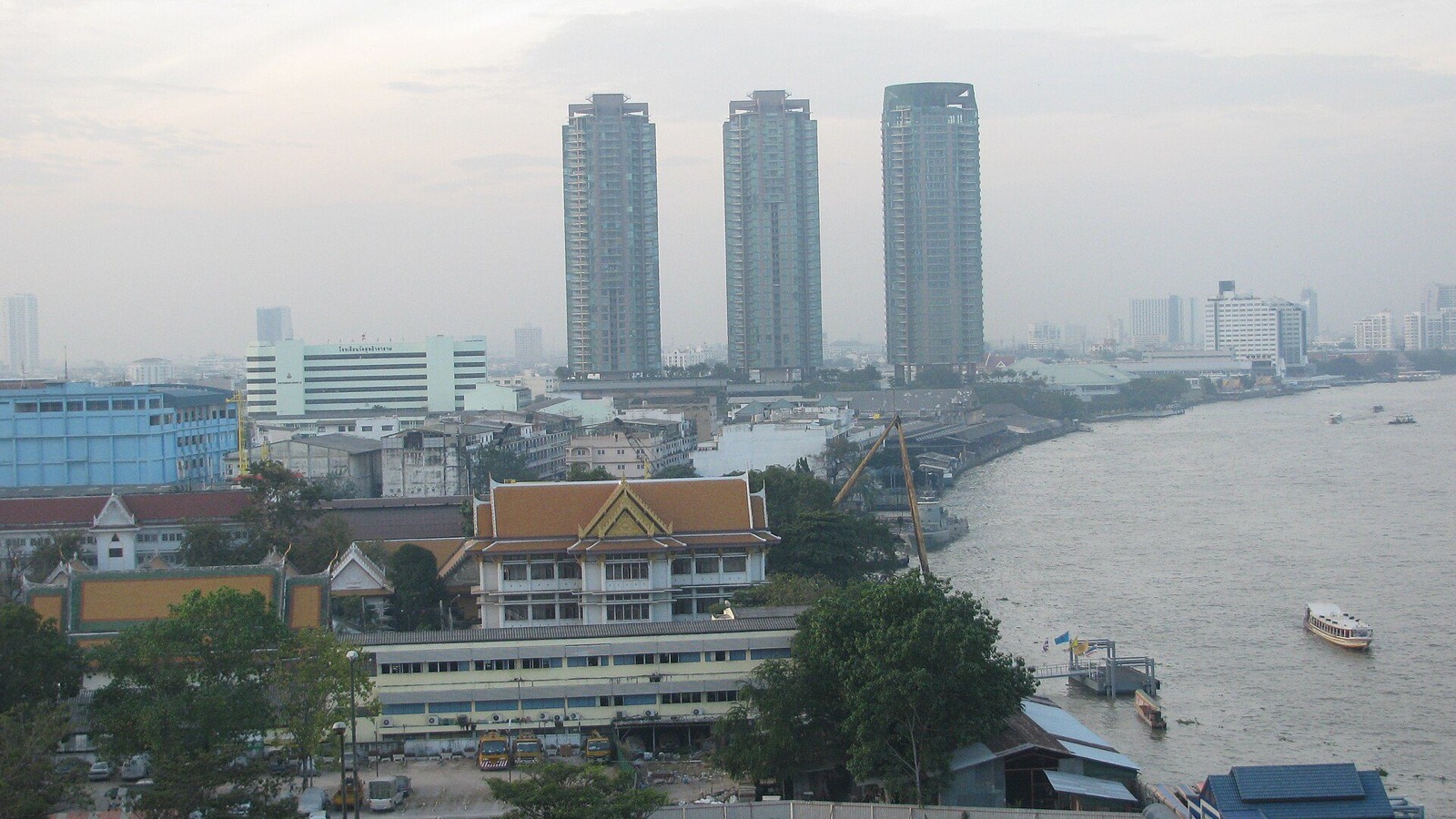
A second day: modern Bangkok
Use the BTS and MRT for a day that shows how Bangkok lives now. One workable route is Jim Thompson House or the Bangkok Art and Culture Centre in the morning, lunch around Siam, then Lumphini or Benjakitti Park later in the day. The parks are linked by the elevated Green Bridge, although the heat makes early morning or late afternoon more comfortable.
If shopping is part of the trip, give it a real block of time rather than treating every mall as a landmark. Siam has several major centres within walking distance. For a less polished afternoon, choose one neighbourhood—Ari, Talat Noi, Charoenkrung or Thonburi—and explore it slowly. Trying to visit all four defeats the point.
Use the third day for food and neighbourhoods
Yaowarat is at its best when treated as an evening neighbourhood, not a single restaurant reservation. Wat Mangkon MRT is the most useful rail stop for Chinatown. Walk the smaller streets before the main road becomes busy, choose places that are actually cooking for a steady crowd and share dishes so you can try more than one stop.
Chatuchak is a different kind of day and is most useful at the weekend; check current market hours before building the itinerary around it. Or Tor Kor market, across the road, is easier for seeing fruit, ingredients and prepared food in a more orderly setting. If neither suits your dates, a guided food walk or a focused neighbourhood morning is better than chasing a market simply because it appears on every list.
Getting around without making it complicated
The BTS is most useful through Sukhumvit, Siam, Silom and the northern corridor. The MRT reaches Chinatown at Wat Mangkon, the old city at Sanam Chai, Chatuchak, the main railway connections and many modern districts. The two systems use separate tickets unless you use a compatible stored-value option, so a journey that changes network may require leaving one paid area and entering another.
River boats are practical for the old city, particularly when combined with BTS at Saphan Taksin. Read the flag and route information at the pier rather than boarding the first boat that arrives. Taxis are useful for the gaps; use a metered taxi or a reputable booking app, and allow more time than the map suggests during rush hour or heavy rain.
Bangkok is not consistently comfortable for long walks. Pavements can be uneven, crossings take patience and two places that look close may be divided by a major road or canal. Walk within a neighbourhood, then use transport between neighbourhoods.
Arriving from the airport
Bangkok has two main airports, and they are on different sides of the city. Suvarnabhumi Airport (BKK) is connected to central Bangkok by the Airport Rail Link, terminating at Phaya Thai with an interchange to the BTS. It is often the most predictable choice when your luggage and hotel location make rail practical.
Don Mueang Airport (DMK) is served by the SRT Red Line, connecting toward Krung Thep Aphiwat, as well as airport buses and road transport. A taxi may still be simpler for several people or a hotel far from the rail network. At either airport, use the official taxi queue or recognised transport counters and save the hotel address in Thai as well as English.
What catches first-time visitors out
- Planning by attraction rather than geography. A short list spread across the city can take longer than a full day in one district.
- Accepting an unexpected “special stop”. Politely leave any journey that becomes a sales visit you did not request.
- Underestimating the heat. Carry water, use shade and avoid placing every outdoor sight between late morning and mid-afternoon.
- Assuming both airports are interchangeable. Check the airport code before booking a hotel, transfer or domestic connection.
- Overbooking food. Bangkok is a city where an unplanned meal can be the best part of the day. Leave space for it.
YOUR TRIP
Keep Bangkok in one place
Save this guide to your saved ideas and come back to the places that interest you.Check before you go
Transport routes, fares and opening hours change. Use the Bangkok Metropolitan Administration tourism site, the official BTS route information and the Tourism Authority of Thailand Bangkok page for current details.